← Back to Insights
Honeycomb Strategies
April 29, 2025
Event planners typically prioritize cost, convenience, and efficiency when arranging ground transportation. However, understanding how transportation impacts an event's carbon footprint can help achieve sustainability goals while maintaining—or even improving—attendee experience and reducing expenses.
Transportation sustainability depends on:
Emissions: 0.17 lbs CO₂/passenger-mile (rail); 0.39 lbs CO₂/passenger-mile (bus)
Emissions: 0.15 lbs CO₂/passenger-mile
Emissions: 0.47 lbs CO₂/passenger-mile
Emissions: 0.5+ lbs CO₂/passenger-mile
According to Honeycomb Strategies' sustainability manager Eric Shaphran, "attendees are the lifeblood of the events industry. Given the impact that each person can have via their travel, integrating solutions to make their journey more sustainable can pay huge dividends for the carbon footprint of an event."
Event organizers and venues can implement changes that benefit attendees while reducing emissions. Developing new partnerships or transportation systems positions events as sustainability leaders.
Get Aclymate's practical sustainability content delivered weekly.
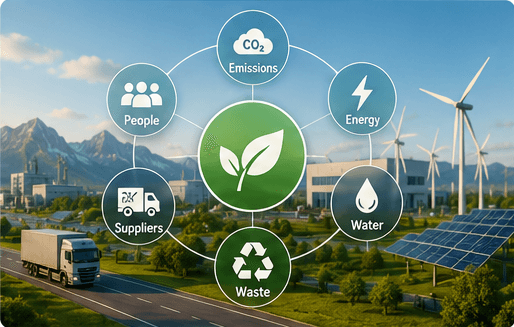
Learn the signs your business may need a climate consultant, from customer requests and Scope 3 emissions to reporting, certifications, and sustainability strategy.
Read Article

Learn what a sustainability team does, what roles are typically included, and how Aclymate One can serve as your full sustainability team or extend the team you already have.
Read Article
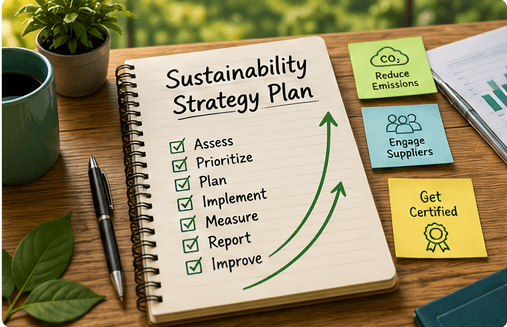
Learn what a carbon accounting consultant does, how they measure Scope 1, 2, and 3 emissions, and when your business may need carbon accounting support.
Read Article
Talk with a Sustainability Expert, see a demo, or start free to put the Aclymate platform and experts to work for your team.